

Iowa Farmers Have Until September 25th to Apply for Conservation Programs
As a hunter, I have seen firsthand why conservation work through Iowa farms matters. It's easy to look at programs such as the Conservation Stewardship Program and Environmental Quality Incentives Program as simply another way for farmers to receive help paying for improvements. But the benefits can extend well beyond the farm operation. Both growing up on a farm and enjoying hunting have provided me with a favorably take on these programs.

For hunters like me, those improvements can mean better habitat and more opportunities to enjoy Iowa's wildlife. I hunt pheasant and deer, but those are far from the only animals that benefit when farmers make room for conservation. Rabbits, squirrels, turkeys, quail, and many other wildlife species depend on the grasslands, cover, waterways, and wetlands that come from these conservation efforts.
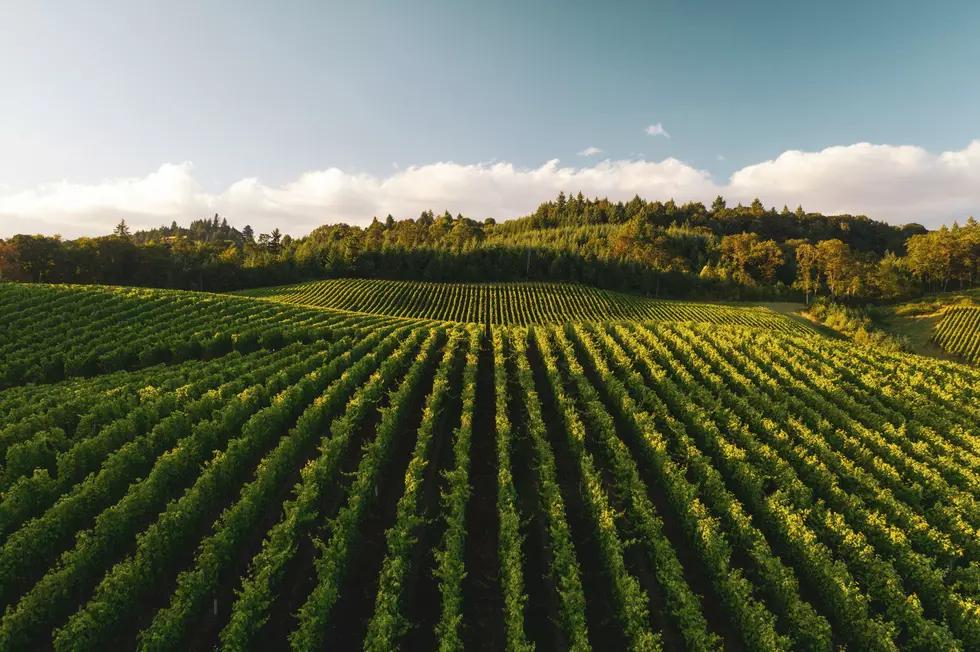
I have family members who have consistently set aside portions of their land for wildlife. Since they've made that commitment, my family has generally had deer meat to enjoy throughout the year. That experience has given me a personal appreciation for conservation and the role farmers play in maintaining habitat.
Programs that help make those efforts more practical have benefited hunters like me for many years. Now, Iowa farmers have another opportunity to take part in it.
The U.S. Department of Agriculture's Natural Resources Conservation Service, or NRCS, administers two programs that can help farmers make conservation improvements while continuing to produce crops and livestock. Applications for the Conservation Stewardship Program, known as CSP, and the Environmental Quality Incentives Program, or EQIP, are due Septtember 25th to be considered for 2027 funding.
CSP is designed for farmers who are already doing conservation work and want to take those efforts further. Rather than focusing on a single project, the program looks at the farm operation as a whole. Farmers can receive financial and technical assistance for maintaining conservation practices they already have in place or adding new ones.
The program has been part of Iowa agriculture for two decades. A Center for Rural Affairs fact sheet shows that about 186,681 Iowa acres were enrolled in CSP in 2021, representing about 4% of the state's total farmland. That year's enrollments and renewals provided $17.5 million in assistance to Iowa producers, spread across five-year contracts.
Those contracts can cover a variety of conservation practices. Among the most common CSP practices in Iowa have been cover crops, integrated pest management, nutrient management, herbaceous weed treatment, and residue and tillage management, including no-till.
While those practices can benefit soil and water, they can also have an impact that hunters notice. Cover crops and areas with vegetation can provide food and cover. Better soil management can reduce erosion, while conservation areas can provide places for wildlife to travel, feed, and raise young.
EQIP takes a somewhat different approach. Instead of looking at the entire operation, it can provide assistance for a particular conservation need or project. That could include addressing erosion, improving soil or water quality, managing livestock impacts or completing a structural project such as installing terraces.
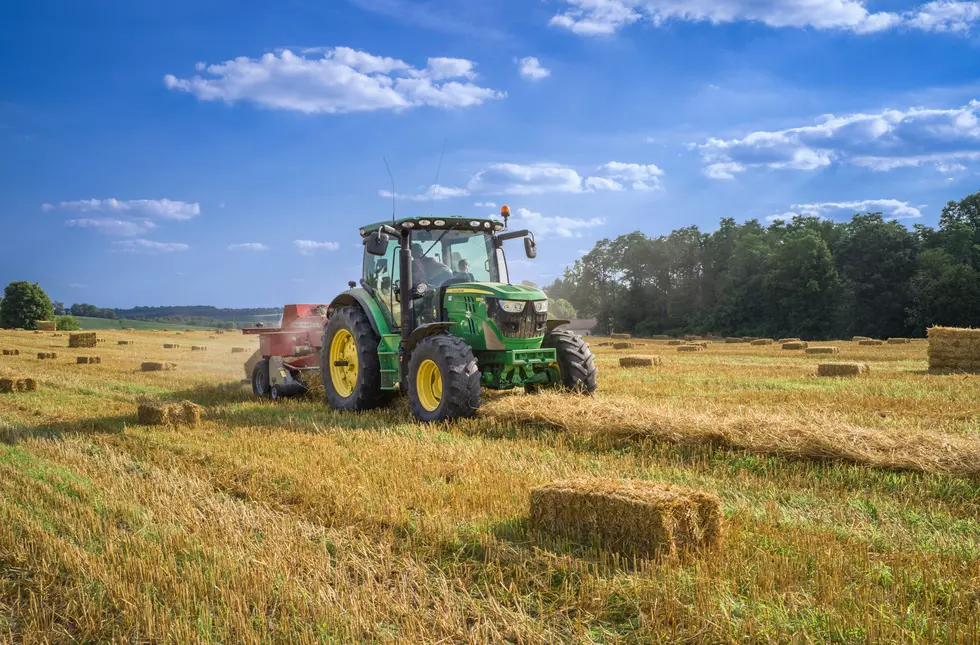
The bigger idea behind both programs is to help farmers protect the natural resources they depend on while keeping their operations productive. That can mean healthier soil, cleaner water, and better long-term management of the land. It can also create and preserve habitat for the wildlife that shares Iowa's agricultural landscape.
For hunters, that last part is especially important. A conservation practice doesn't have to be specifically designed for hunting to make a difference in the field. A grassy area, field edge, waterway, cover crop, or other conservation practice can provide valuable habitat for pheasants, deer, rabbits, squirrels, turkeys, and other wildlife. When those efforts are repeated across farms and over many years, the results become much more noticeable.
Farmers interested in CSP or EQIP should contact their local NRCS office. The Natural Resources Conservation Service can help determine which program and practices may fit an operation and work with the producer to develop a conservation plan. Farmers don't have to navigate the process alone. The September 25th deadline is for consideration for 2027 funding. Conservation plans can be developed throughout the year, and applications are accepted on a rolling basis. So, if a farmer misses this deadline, it is still worthwhile to contact NRCS and begin planning for the next opportunity.
For me, these programs represent more than conservation on paper. As someone who spends a lot of time in Iowa's outdoors hiking, fishing, and hunting, I've seen what happens when landowners make the decision to leave room for wildlife. I like that version of Iowa. Helping farmers continue those efforts can benefit the land, the farmers, and the people who enjoy Iowa's outdoors for generations to come.
Iowa Hawkeyes Who Have Won a Super Bowl
Gallery Credit: Tom Drake
Photos: Whitewater Canyon in Bernard, Iowa
Gallery Credit: Tom Drake